

Safety Tips for Using a Roll-Off Dumpster In Vista, CA
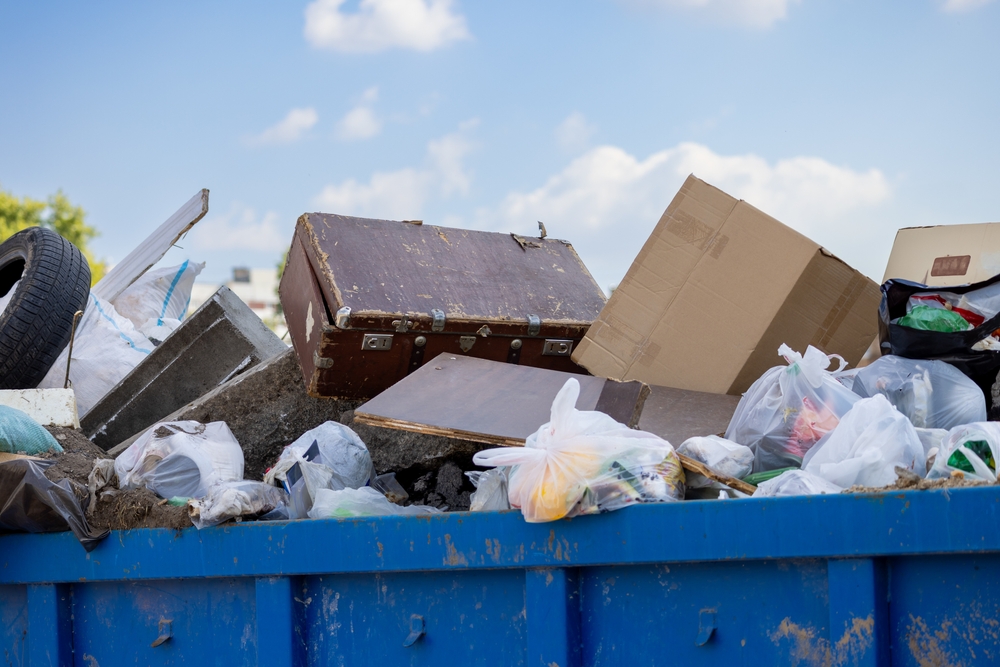
A roll-off dumpster can make cleanup easier during home renovations, landscaping projects, and property cleanouts in Vista, CA. However, improper placement, overloading, and unsafe disposal practices can create unnecessary hazards for homeowners, contractors, and nearby pedestrians. Whether you’re clearing debris from a home near downtown Vista or managing construction waste in a residential neighborhood, following basic dumpster safety guidelines helps keep your project organized and your property protected.
Using a roll-off dumpster safely starts with choosing a stable location, understanding weight limits, loading materials evenly, and keeping prohibited items out of the container. You should also maintain clear access around the dumpster, avoid climbing inside, and confirm whether local placement permits are necessary. These precautions reduce the risk of injuries, property damage, and collection delays.
What Vista Property Owners Should Know
-
Dumpster placement matters. Choose a level, stable surface that allows safe delivery, loading, and pickup without blocking sidewalks, driveways, or emergency access.
-
Weight restrictions protect everyone. Heavy materials such as concrete, dirt, and roofing debris may require special arrangements to prevent overloading.
-
Local conditions affect safety. Sloped driveways, narrow residential streets, and dry summer weather in North County San Diego can create additional considerations.
-
Not everything belongs in a dumpster. Paint, chemicals, batteries, and other hazardous materials require appropriate disposal methods.
-
Planning ahead prevents problems. Confirm container dimensions, acceptable materials, and access requirements before your dumpster arrives.
For local homeowners and contractors, these precautions are particularly useful during remodeling projects, seasonal yard cleanups, and construction work. Baja Roll-Off & Hauling Services can help customers discuss their disposal needs and plan for a roll-off dumpster rental. We encourage customers to consider site conditions and loading safety before beginning any cleanup project.
Local Safety Considerations for Roll-Off Dumpsters in Vista
Roll-off dumpster safety in Vista depends on property access, ground conditions, nearby traffic, and the type of debris being discarded. Residential neighborhoods, commercial properties, and construction sites may have different space limitations, making it necessary to evaluate the location before scheduling delivery.
Properties near Vista Village and older residential areas may have limited driveway space or nearby parked vehicles. In neighborhoods around Shadowridge, sloped driveways and landscaped surfaces can complicate container placement.
Southern California’s dry weather also makes dust control and proper handling of dry yard debris important. During occasional periods of heavy rain, soft ground and runoff can create additional concerns.
These are practical site considerations rather than conditions that apply to every property. Before delivery, inspect the intended location and discuss potential access problems with your dumpster provider.
How Unsafe Dumpster Use Affects Local Properties
Unsafe dumpster use can damage driveways, create trip hazards, obstruct access, and increase the risk of injuries during cleanup projects. For Vista homeowners and businesses, these problems can interrupt renovation schedules and make debris removal more difficult than necessary.
A heavily loaded container placed on an unsuitable surface may contribute to cracking, scraping, or other surface damage. Loose debris can scatter across a driveway or work area, especially during windy conditions.
Commercial projects near busy streets face additional concerns because delivery trucks and workers need sufficient maneuvering space. Keeping the surrounding area clear helps protect employees, customers, and pedestrians.
Warning Signs Your Roll-Off Dumpster May Be Unsafe
An unsafe roll-off dumpster often shows warning signs before a serious problem occurs. Property owners should check the container and surrounding work area regularly, especially when several people are contributing debris.
Watch for these conditions:
-
Debris extends above the container walls. Materials sticking out can shift or fall during handling and transportation.
-
The dumpster appears tilted or unstable. Uneven ground may affect container stability.
-
Heavy materials are concentrated on one side. Uneven loading can create handling problems.
-
Sharp objects protrude from the debris. Exposed nails, metal, glass, and broken lumber increase injury risks.
-
The container blocks a sidewalk or driveway. Restricted access can create hazards for pedestrians and vehicles.
-
Unknown liquids or chemicals are present. These materials may require separate disposal.
-
Loose materials are blowing outside the container. Lightweight debris can become a nuisance or hazard.
-
The dumpster is overloaded with dense material. Excessive weight can make safe collection difficult.
If you notice these issues, stop adding debris until the problem has been addressed safely.
When to Contact a Roll-Off Dumpster Professional
Contact your dumpster provider when you are uncertain about weight limits, prohibited materials, container stability, or safe collection access. Professional guidance is especially helpful when a project involves heavy construction debris, restricted driveways, or unusual disposal requirements.
For example, a homeowner near Brengle Terrace Park replacing a concrete patio should confirm whether the container is suitable for concrete before loading it. Concrete is significantly denser than ordinary household debris, and a partially filled dumpster may already approach its allowable weight.
You can safely inspect the surrounding area for obstacles and check whether debris remains below the container rim. However, do not attempt to move, lift, or reposition a loaded roll-off dumpster yourself.
Common Causes of Dumpster Safety Problems in North County San Diego
The most common dumpster safety problems involve poor placement, uneven loading, prohibited waste, and insufficient planning. These issues can occur during residential cleanouts, landscaping work, and commercial construction projects throughout North County San Diego.
Poor placement on uneven ground
Sloped driveways and unstable surfaces can make dumpster positioning more difficult. Choose a firm, level location and confirm that the delivery company considers it suitable.
Excessive weight from construction materials
Roofing shingles, concrete, masonry, dirt, and tile can add substantial weight. Confirm material restrictions and weight allowances before beginning demolition.
Mixing hazardous waste with ordinary debris
Household chemicals, solvents, batteries, and certain electronic items should not be mixed with general construction or household waste. Follow applicable disposal requirements and ask your provider about prohibited materials.
Limited delivery and pickup access
Narrow streets, parked vehicles, low tree branches, and overhead utility lines can interfere with delivery trucks. Evaluate these obstacles before scheduling service.
Unsecured lightweight debris
Cardboard, insulation, packaging, and dry landscaping waste can scatter in windy conditions. Keep loose materials contained and follow the provider’s covering instructions.
Dumpster Safety Tips for Preventing Accidents
Preventing roll-off dumpster accidents requires safe loading habits, regular inspections, and a clear work area. Homeowners and contractors in Vista can reduce common risks by following a few practical procedures throughout their cleanup projects.
Load heavy materials first
Place approved heavy materials near the bottom of the container and distribute weight evenly. Avoid concentrating dense debris in one corner.
Keep debris below the fill line
Never allow waste to extend above the dumpster’s permitted loading height. Overfilled containers may be unsafe to transport and may require unloading before collection.
Wear appropriate protective equipment
Use sturdy work gloves, closed-toe footwear, and eye protection when handling construction debris. Additional protective equipment may be necessary depending on the materials involved.
Keep children and pets away
A dumpster is not a play area. Keep children and pets away from the container, particularly when sharp objects, unstable debris, or heavy equipment are nearby.
Avoid climbing into the container
Do not enter the dumpster to rearrange debris or retrieve items. Plan loading carefully and use safe handling methods from ground level.
Check the area during seasonal weather changes
During Santa Ana wind conditions, secure lightweight materials and remove debris that has scattered outside the container. After rainfall, check for standing water, slippery surfaces, or changes in ground stability.
What to Expect From Proper Dumpster Safety Practices
Proper dumpster safety practices help create a cleaner work area, reduce preventable injuries, and support smoother debris collection. Although no disposal method eliminates every risk, careful preparation can make residential and commercial projects more manageable.
For homeowners completing kitchen renovations, garage cleanouts, or landscaping projects, a correctly positioned dumpster provides a designated location for approved waste.
Contractors can also benefit from keeping debris organized instead of allowing material piles to accumulate around active work areas.
The best results come from matching the container to the project, following loading requirements, and maintaining access until pickup.
Common Roll-Off Dumpster Mistakes to Avoid
Avoiding common dumpster mistakes can help Vista property owners prevent damage, delays, and unnecessary safety risks. Most problems begin with rushed preparation or incorrect assumptions about what a container can hold.
| Common mistake | Possible consequence | Better approach |
|---|---|---|
| Placing a dumpster on soft ground | Surface damage or instability | Select a firm, level location |
| Filling above the rim | Falling debris or pickup delays | Keep materials within the permitted fill height |
| Mixing hazardous materials with ordinary waste | Disposal complications and exposure risks | Separate prohibited items |
| Loading heavy debris unevenly | Handling and transportation hazards | Distribute approved materials evenly |
| Blocking the pickup area | Collection delays | Maintain clear truck access |
| Ignoring permit requirements | Potential local compliance problems | Verify placement rules before delivery |
Taking time to address these details before loading begins is generally easier than correcting problems after the container is full.
Common Local Scenario: A Residential Renovation in Vista
A typical residential renovation in Vista may involve removing old cabinets, flooring, drywall, and other approved construction debris. The homeowner may want to position a roll-off dumpster in the driveway to keep the work area organized and reduce repeated trips to disposal facilities.
Before delivery, the homeowner checks driveway dimensions, identifies overhead obstacles, and confirms acceptable materials. The container is positioned where it does not obstruct the sidewalk or prevent access to the home.
During demolition, workers load approved debris evenly, keep sharp materials contained, and avoid exceeding the fill line.
This example illustrates how planning can support safer cleanup practices. Actual placement and loading requirements will depend on the property, container, and disposal provider.
Roll-Off Dumpster Rental and Hauling Solutions
Roll-off dumpster rental and hauling services help local property owners manage approved debris from renovations, cleanouts, landscaping work, and construction projects. The right solution depends on waste type, estimated volume, available space, and the project’s schedule.
At Baja Roll-Off & Hauling Services, we encourage customers to discuss these factors when exploring debris removal options. Knowing what materials you plan to discard can help identify potential restrictions before the project begins.
For projects involving concrete, roofing debris, bulky household items, or mixed construction waste, confirm which materials are accepted and whether separate disposal arrangements are necessary.
Comparing DIY Disposal and Roll-Off Dumpster Rental
DIY disposal and roll-off dumpster rental are both options for handling cleanup debris, but they suit different project sizes and circumstances. The safer, more practical choice depends on how much waste you have, what it contains, and how you plan to transport it.
| Consideration | DIY disposal | Roll-off dumpster rental |
|---|---|---|
| Small amounts of debris | May be practical | May be more capacity than needed |
| Large renovation projects | May require repeated trips | Provides an on-site collection container |
| Heavy materials | Requires suitable transportation and unloading | Requires confirmation of weight and material limits |
| Property space | No long-term container placement | Needs suitable delivery and pickup access |
| Safety planning | Includes vehicle loading and unloading | Includes container placement and loading |
For a small garage cleanup in San Marcos, personal transportation may be sufficient. A larger remodeling project in Vista may benefit from an on-site container that keeps approved debris in one designated area.
Neither approach eliminates the need for safe lifting, proper waste separation, and compliance with disposal requirements.
Dumpster Rental Considerations for Vista and Nearby Communities
Dumpster safety considerations apply throughout Vista and surrounding North County communities, including Oceanside, San Marcos, and Carlsbad. Each property may have different access limitations, parking conditions, and waste disposal needs.
Before arranging a rental, confirm service availability for your address, acceptable debris types, and any city-specific placement requirements.
The Cost of Ignoring Dumpster Safety
Ignoring dumpster safety can lead to property damage, injuries, interrupted work, and unexpected disposal complications. These risks are particularly relevant during projects that generate large quantities of heavy or sharp debris.
An overloaded container may require materials to be removed before pickup. Improper placement can interfere with deliveries or create access problems for neighboring properties.
Mixing prohibited materials into general waste can also complicate disposal and may result in additional handling requirements.
Taking preventive steps early helps reduce avoidable interruptions and keeps attention on completing the project safely.
Frequently Asked Questions About Roll-Off Dumpster Safety in Vista, CA
1. Where should I place a roll-off dumpster on my Vista property?
Place a roll-off dumpster on a firm, level surface with adequate room for delivery, loading, and pickup. A driveway may be suitable if its dimensions and condition allow. Avoid blocking sidewalks, emergency access, and neighboring driveways. Confirm the placement location with your provider before delivery.
2. Do I need a permit for a roll-off dumpster in Vista?
A permit may be required depending on where the dumpster will be placed. Containers positioned in public streets or rights-of-way can be subject to different requirements than those located entirely on private property. Contact the City of Vista to verify current rules before scheduling a delivery that may affect public access.
3. Can I put concrete or dirt in a roll-off dumpster?
Concrete and dirt may be accepted in certain dumpsters, but you must confirm the provider’s material and weight restrictions first. These materials are extremely heavy and can exceed weight allowances quickly. Ask whether a dedicated container or special loading arrangement is necessary before disposing of dense debris.
4. How full can I load a dumpster in Vista?
A dumpster should never be loaded beyond its permitted fill line or weight limit. Debris should remain within the container walls, and heavy materials should be distributed evenly. Even when the dumpster appears to have available space, dense waste may already have reached the allowable weight.
5. What items should not go into a roll-off dumpster?
Hazardous chemicals, paints, solvents, batteries, and other restricted materials generally require separate handling. Appliances, electronics, tires, and certain construction materials may also be restricted depending on the provider. Confirm acceptable items before loading and consult San Diego County disposal guidance for materials requiring special collection.
6. How can I protect my driveway during dumpster rental?
Protect your driveway by choosing an appropriate placement area, removing obstacles, and discussing surface protection with your dumpster provider. Protective boards may be appropriate in some situations, but they do not guarantee against damage. Existing cracks, slope, pavement condition, and container weight can all affect placement suitability.
7. Are roll-off dumpsters safe during Santa Ana winds?
Roll-off dumpsters can be used during windy conditions when appropriate precautions are taken. Secure lightweight debris, avoid overfilling, and keep the surrounding area free of loose materials. If strong winds create unsafe loading conditions, temporarily stop work and resume when conditions allow safer handling.
8. Can a dumpster block the sidewalk in a Vista neighborhood?
A dumpster should not obstruct a public sidewalk without any required authorization and appropriate access arrangements. Sidewalk obstructions can create hazards for pedestrians, including people using mobility devices. Before delivery, confirm that the planned placement complies with applicable City of Vista requirements and maintains safe pedestrian access.
9. What should I do if my dumpster becomes overloaded?
Stop loading the dumpster immediately and contact your provider for instructions. Do not attempt to move the container or climb inside to rearrange materials. Depending on the waste and loading conditions, some debris may need to be safely removed or a separate container arranged before pickup.
10. How can I prepare for roll-off dumpster delivery in North County San Diego?
Prepare by measuring the proposed placement area, checking overhead clearance, removing vehicles, and identifying any access restrictions. Confirm accepted materials, weight limits, and delivery instructions with your provider. If the container will occupy public property, verify applicable local requirements before the scheduled delivery.
Keep Your Cleanup Project Safe and Organized
Safe roll-off dumpster use begins with thoughtful placement, responsible loading, and a clear understanding of disposal restrictions. Whether you’re renovating a home, clearing landscaping debris, or managing a commercial cleanup in Vista, proper planning can reduce preventable hazards and help your project proceed more smoothly.
We encourage local property owners to ask questions about container suitability, material restrictions, and access requirements before beginning their cleanup.
Make Your Vista Cleanup Safer With the Right Dumpster Solution
A well-planned dumpster rental can help you manage debris efficiently while protecting your property and keeping your work area organized.
Contact Baja Roll-Off & Hauling Services to discuss your cleanup needs and explore appropriate roll-off dumpster options.